Your departure starts with the airport code, not with a guess about traffic
A Shanghai departure can look simple on a booking confirmation and still become stressful at checkout. The airport code, terminal, airline, flight type, luggage and time of day all change the sensible route from the hotel. Shanghai Pudong International Airport (PVG) and Shanghai Hongqiao International Airport (SHA) are different airports, on different sides of a large city. A hotel that felt central for sightseeing may be practical for one and awkward for the other.
Start by reading the confirmed itinerary exactly as the airline issued it: airport code, terminal if shown, airline, flight number, date, local departure time and any special check-in instruction. Then open the airline’s current official departure guidance. The airline’s own deadline controls your flight; a general airport article can help you plan, but it cannot replace a current airline notice, a gate change or an itinerary update.
Build the last day backwards from the point at which you want to be inside the terminal, with bags checked and security still ahead of you. Add the hotel hand-off, the pickup or metro walk, the correct airport entrance and a margin for a crowded road, a missing passport, a slow elevator or a phone that has lost connection. This is not wasted time. It protects the flight you have already paid for.
- Confirm PVG or SHA before arranging a car; “Shanghai airport” is not a complete destination.
- Check the airline’s current check-in and baggage deadline for your exact flight, then plan earlier than that deadline.
- Keep passports, flight details, hotel contact, terminal information and a payment backup together before the final night.
- Make the departure day lighter than a normal sightseeing day, especially with checked luggage or an international flight.
PVG or Hongqiao: the right airport changes the entire final morning

Pudong is Shanghai’s main long-haul international gateway and is also used by many domestic flights. Hongqiao handles domestic services and selected international, Hong Kong, Macao and Taiwan flights. Do not infer your airport from the airline name, the hotel area or a previous Shanghai trip. Follow the airport code and terminal shown on the live booking. A transfer sent to the wrong airport is not a small detour.
The journey from a central hotel to PVG and the journey to Hongqiao deserve different planning. Traffic, the hotel’s vehicle access, road conditions, weather, family pacing and the amount of luggage can matter as much as straight-line distance. A map estimate is useful only as a starting point. On a flight day, choose a transfer plan that still works if the first estimate becomes slower.
If you are changing from a train or an earlier domestic flight to an international departure, protect the connection rather than treating the airport as a sightseeing stop. Terminal changes, baggage rules and security procedures can add real time. Ask the airline or official handling channel what applies to your ticket; do not rely on an assumed through-check or an old social-media itinerary.
Check-in cut-off is not your recommended arrival time
An airline check-in cut-off tells you the latest point at which check-in and, where relevant, baggage drop must be finished. It is not a promise that you can arrive at the airport then and still reach the gate comfortably. You may still need to find the right entrance, solve a document question, queue for a counter, pass security and walk to a distant boarding area.
Shanghai has adjusted cut-off times for some services, and Hongqiao’s domestic cut-off can vary by airline. Those improvements are helpful, but they make it even more important to read the current airline instruction rather than remember one general number. International, regional and domestic journeys may have different requirements; some airlines may also apply their own exceptions.
Use the cut-off as a hard boundary and create your own earlier target based on the journey in front of you. Add room if you must check luggage, reclaim a tax-refund form, travel with children, need special assistance, are departing during a holiday peak or are unfamiliar with the terminal. If everything goes smoothly, extra time becomes a calmer meal or gate wait—not a problem.
The evening before: settle the documents, bags and hotel hand-off
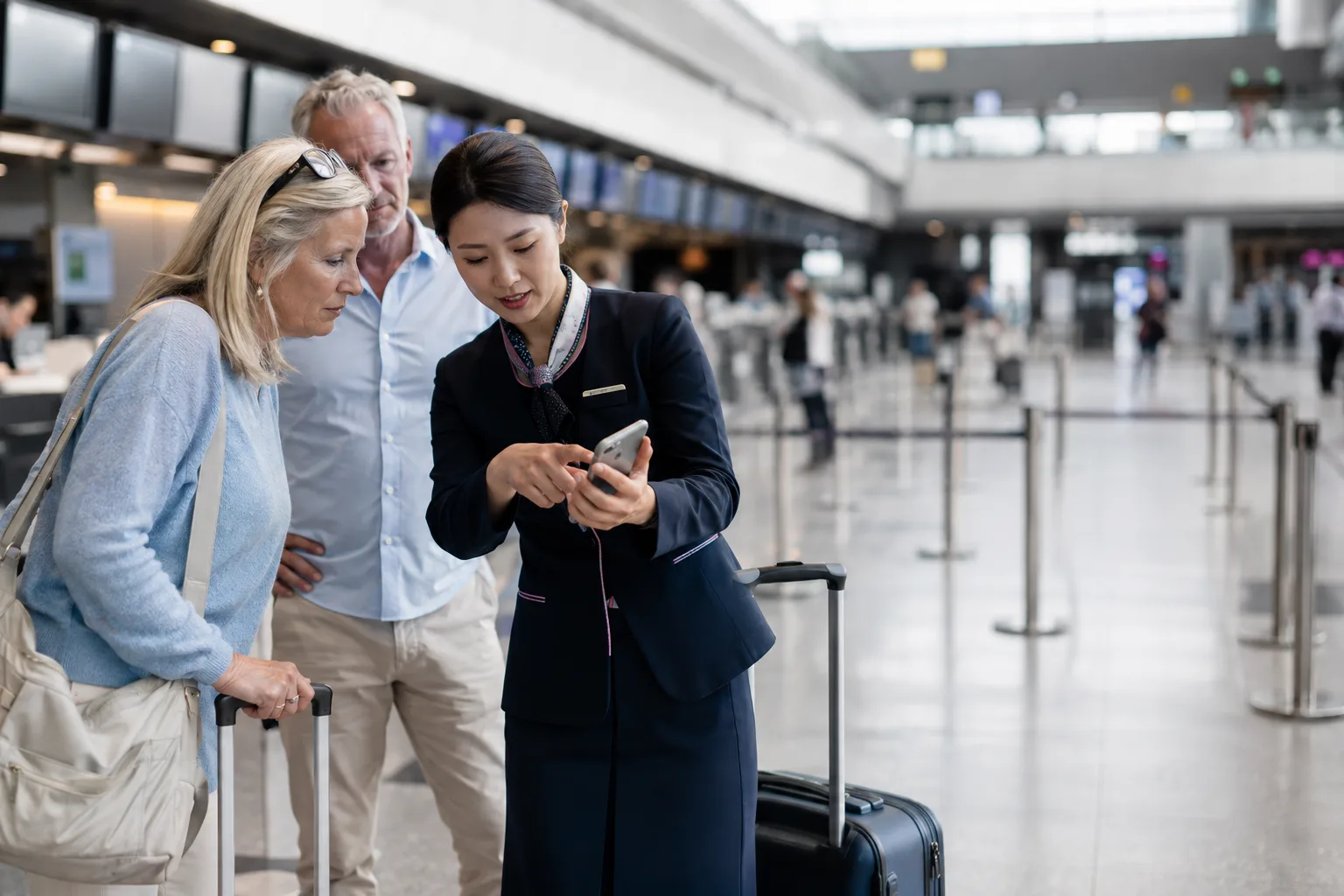
The most valuable departure preparation is usually done before sleep. Recheck the airline itinerary in its official app or website, confirm the airport code, charge the phone and power bank, pack passports and travel documents in one accessible place, and ask the hotel about checkout and bag storage if the flight is late. If a driver is collecting you, confirm the hotel entrance, pickup time, passenger count, luggage count and the airport code in writing.
Keep medication, documents, valuables and items you cannot replace in cabin baggage, subject to airline and security rules. Review the airline’s baggage allowance before the last-minute shopping trip. A bag that is just over the allowance, an unprotected souvenir or a liquid packed in the wrong bag is much easier to resolve at the hotel than at a busy airport counter.
If you have a passport name issue, visa or residence-document question, special meal, mobility request, child-seat requirement or unaccompanied minor arrangement, use the airline’s official support channel early. A hotel concierge, guide or transfer company can help with a route or a message, but should not promise an airline exception they cannot authorize.
Choose the last transfer for the travelers and bags you actually have
Public transport can be an excellent airport option when the hotel has a simple route, travelers are comfortable with their bags and the journey leaves a generous margin. It is not automatically the better choice after a late checkout, with two large suitcases per couple, for a family with a sleeping child or when the final route needs several changes. A car, taxi or reserved transfer can be the calmer option when it removes an uncertain hand-off.
For a private airport transfer, send the hotel name and Chinese address if available, confirmed airport code, flight number, date, requested pickup time, passenger count, each large suitcase, child seat or mobility need. Ask for the pickup location and how the driver will identify the group. “Airport transfer booked” is incomplete until the hotel-side meeting point and the exact destination are clear.
Do not book a non-refundable attraction across the city immediately before leaving for the airport. If you have a late flight, a short nearby walk, a quiet lunch or hotel bag storage often makes the day better than one more timed entry. The final transfer needs slack; it should not be forced to succeed only if every earlier plan runs perfectly.
Tax refund, shopping and airport services: treat them as a separate task

If you plan to claim a departure tax refund, treat it as its own process rather than something to attempt after arriving at the gate. Keep the eligible goods, receipts, forms, passport and any required documents accessible, and check the current official airport or tax-refund instructions before leaving the hotel. Procedures, locations and eligibility can change, and a travel guide should not promise that every purchase or traveler qualifies.
Pudong has expanded international traveler services, including information and departure tax-refund support. This is useful, but it does not remove the need to allow time. If a refund matters to you, make the itinerary lighter, verify the process in advance and be prepared to skip it rather than jeopardize the flight.
The same rule applies to airport shopping, lounge plans and a final city meal. They are optional parts of the departure, not reasons to cut the check-in or security margin. Once you have reached the terminal with time in hand, you can decide what is realistic. Before then, the flight is the priority.
A practical final-day sequence
First, confirm the live flight details and the correct airport. Second, decide the hotel checkout and bag plan. Third, lock in the transport hand-off with the full address, passengers and luggage. Fourth, add only one flexible activity that can be shortened or skipped without affecting the flight. Fifth, leave for the airport early enough to absorb an ordinary delay without turning it into a crisis.
At the terminal, follow the airline’s current signs and instructions, not a remembered route. Check the display for the current counter or bag-drop information, keep the passport and booking accessible and ask authorized staff when something does not match. If an airport process changes, a clear question at the right counter is safer than trying to solve it through an unofficial contact.
For a tailored final-day plan, share the hotel, airport code, airline, flight time, number of travelers, luggage, children or mobility notes and anything already booked. The useful plan is one that protects a calm departure and still gives you a pleasant last few hours in Shanghai.
Practical questions
How early should I leave my Shanghai hotel for the airport?
Work backwards from the airline’s current check-in and baggage deadline, then add time for the hotel hand-off, travel to the correct airport, terminal entry, security and any luggage, tax-refund or document needs. PVG and Hongqiao require different route planning.
Is Pudong Airport the same as Hongqiao Airport?
No. Shanghai Pudong (PVG) and Shanghai Hongqiao (SHA) are separate airports. Confirm the code and terminal on the airline itinerary before arranging transport.
Can I arrive at check-in cut-off time for a Shanghai flight?
Do not treat the cut-off as a recommended arrival time. It is the latest time to complete check-in and, where relevant, bag drop. You still need time for terminal access, security and boarding. Follow your airline’s current instructions.
Should I use metro or a private transfer to Shanghai airport?
Choose the option that fits the exact hotel route, airport, flight time, bags and travelers. Metro can work well for a simple route with light luggage; a car or reserved transfer can simplify a group, family, early departure or substantial luggage.
Can I do tax refund at Shanghai airport before departure?
Eligible travelers may be able to use airport departure tax-refund services, but requirements and locations can change. Check the current official guidance and allow separate time before security rather than assuming it will be quick.